Rimland
Tags: Solo Work Game Development Award-winning
Date: Dec. 2017 - May. 2018
Awards: - First Place, Culture Creative Design Competition for College Students in Hubei Province (2018): 80,000 CNY (~$11,428);
- First Place, Graduation Project Competition (2018): 5,000 CNY (~$714).
An award-winning solo-work indie game development project with the exploration of a 3D-to-2D pixel art style and 8-bit audio.

Rimland is an exploration and survival indie game that I developed solely and entirely from scratch over several months. Encouraged by the spirit and momentum of the indie game development boom that emerged in China around 2016, I embarked on this project as an opportunity to hone my game development skills and gain hands-on experience with every phase of the process. All aspects of the game—code, art, animations, design, and audio assets—were independently created by me. Set in a wasteland punk-style world, the game places players in the role of adventurers tasked with collecting materials, managing resources, and battling dangerous creatures and bandits.
Game Arts
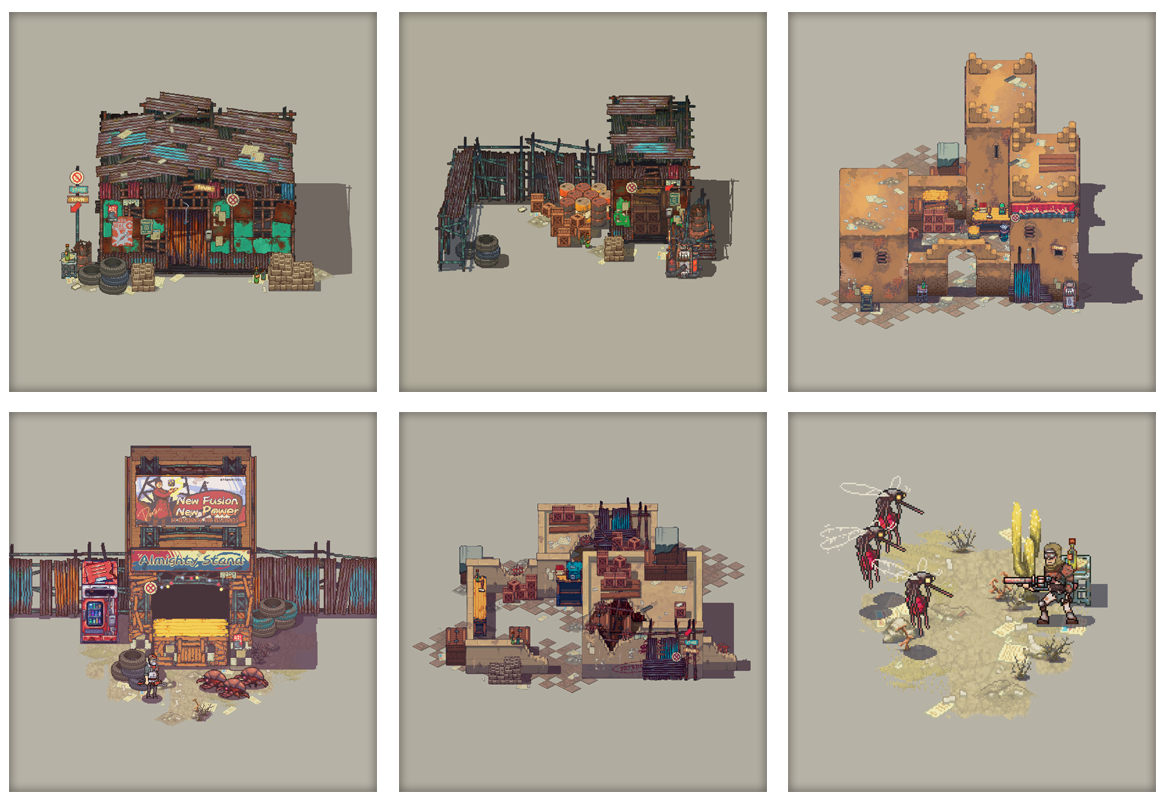
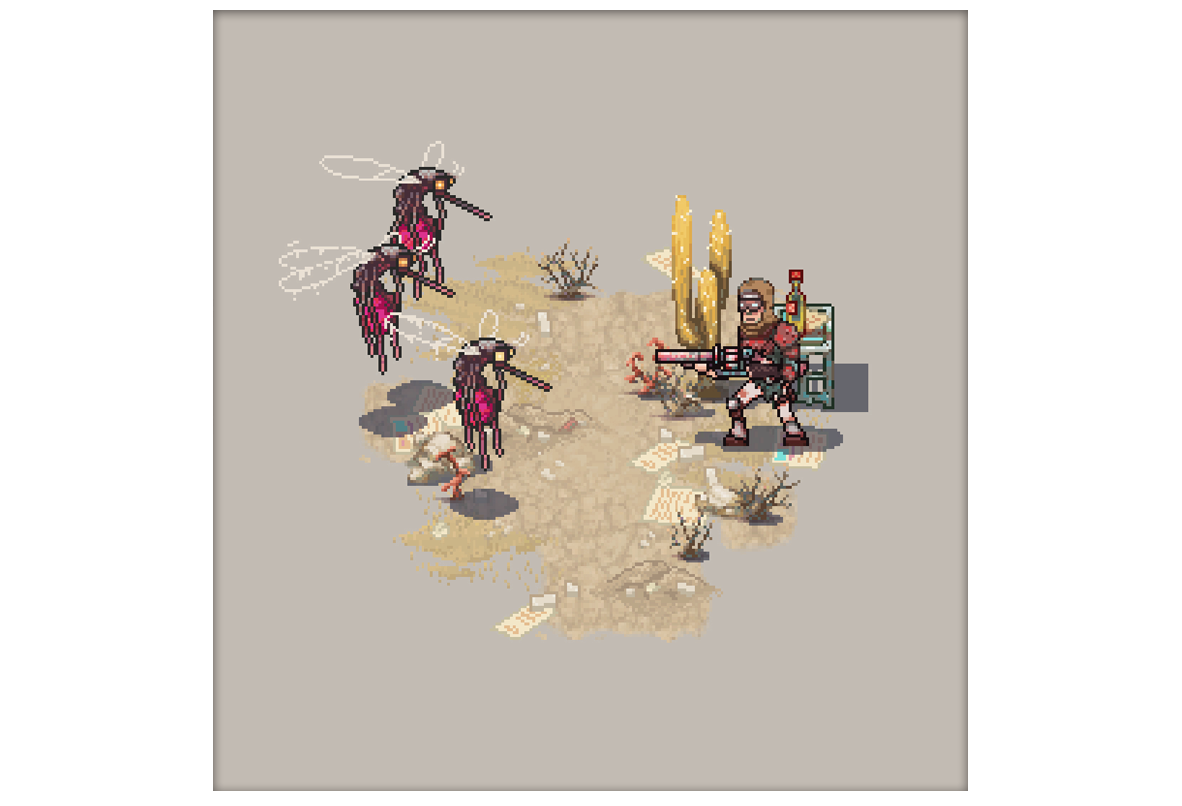
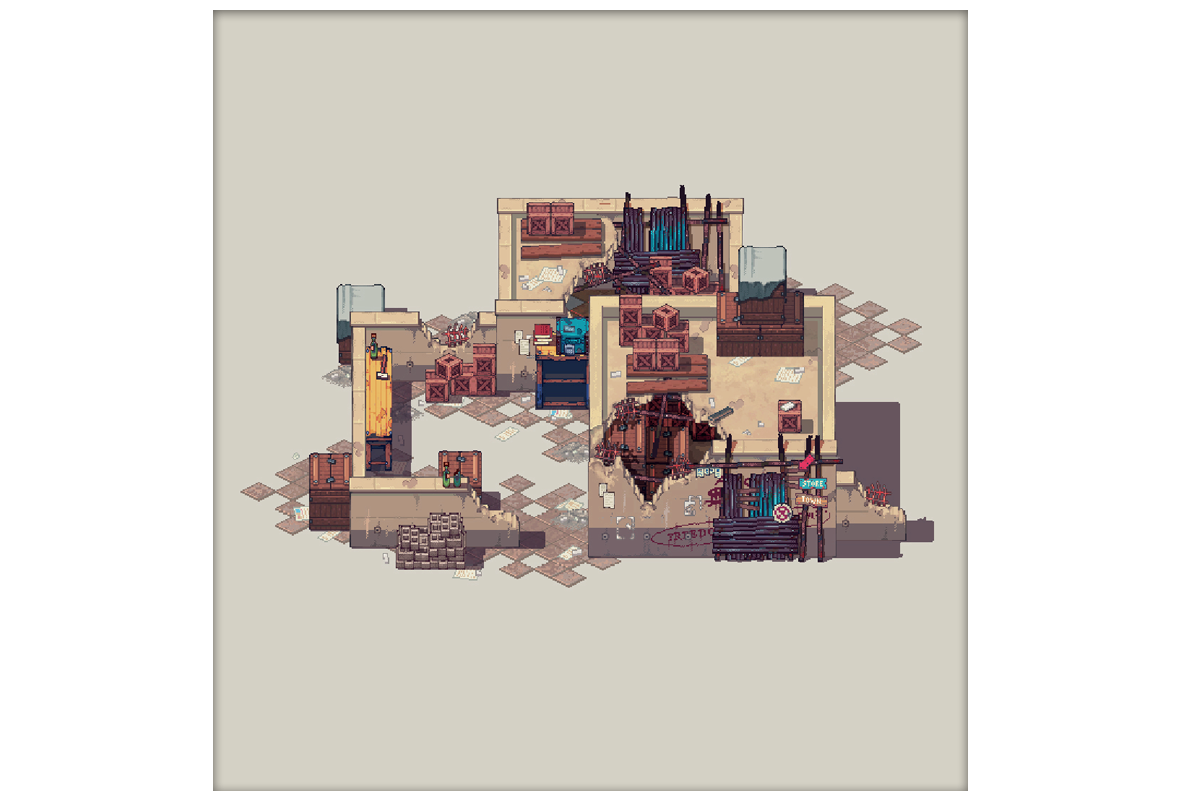
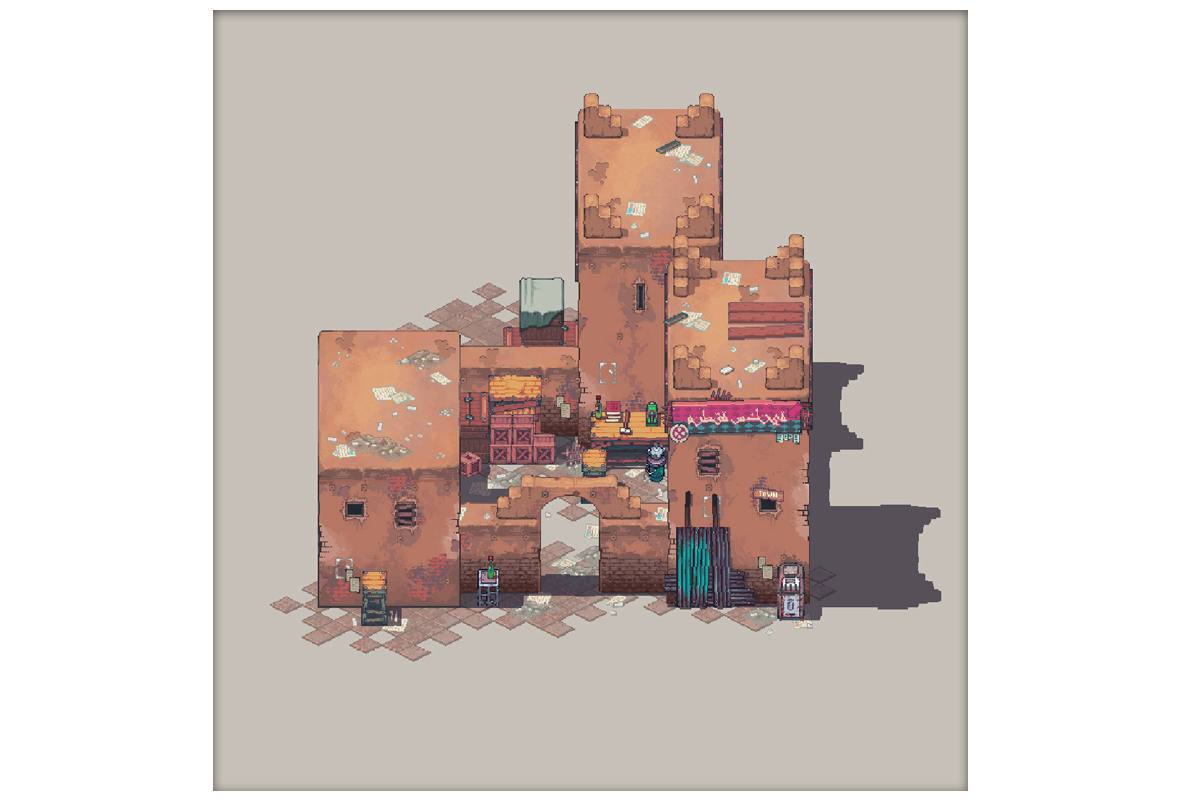
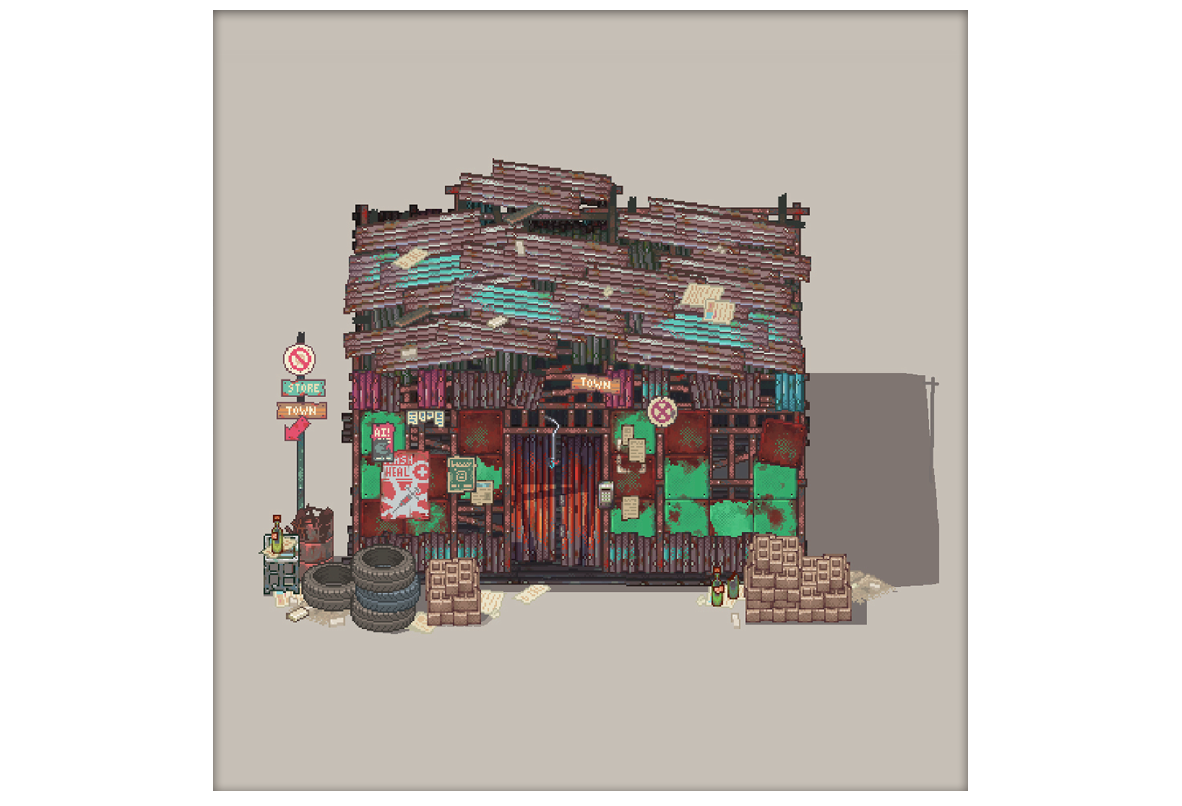
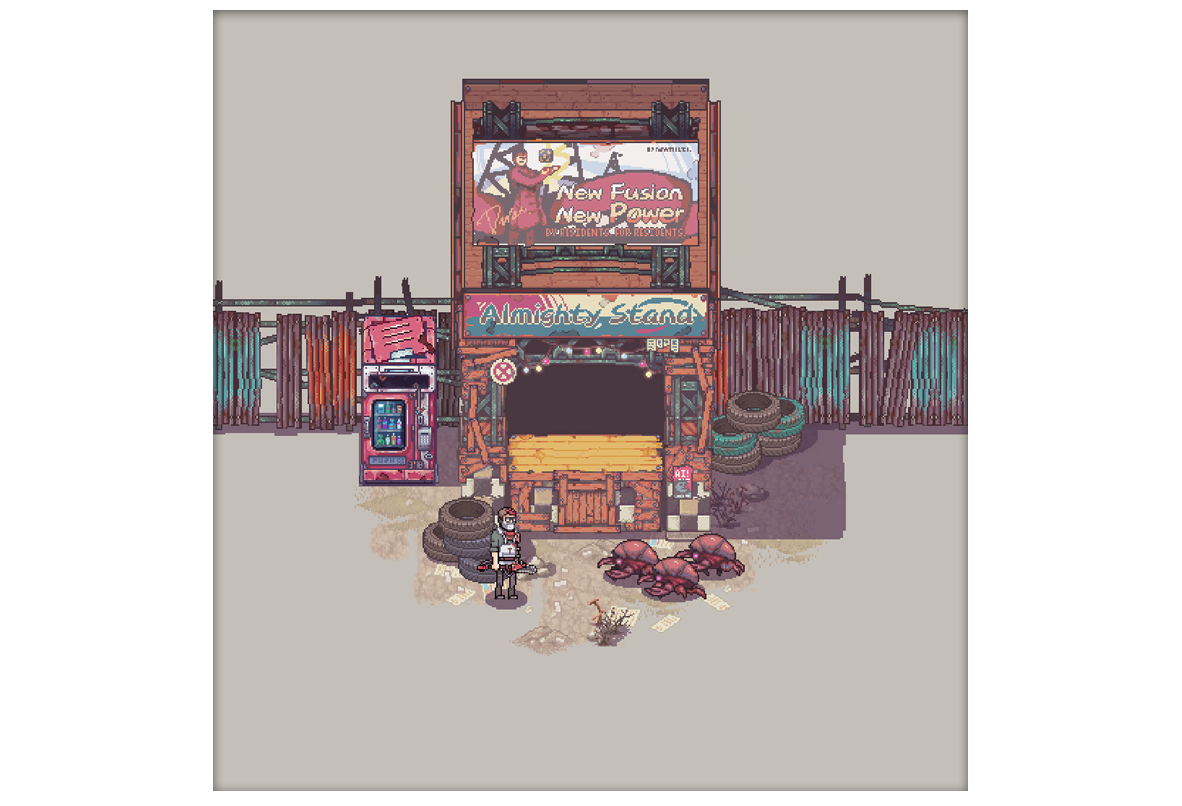
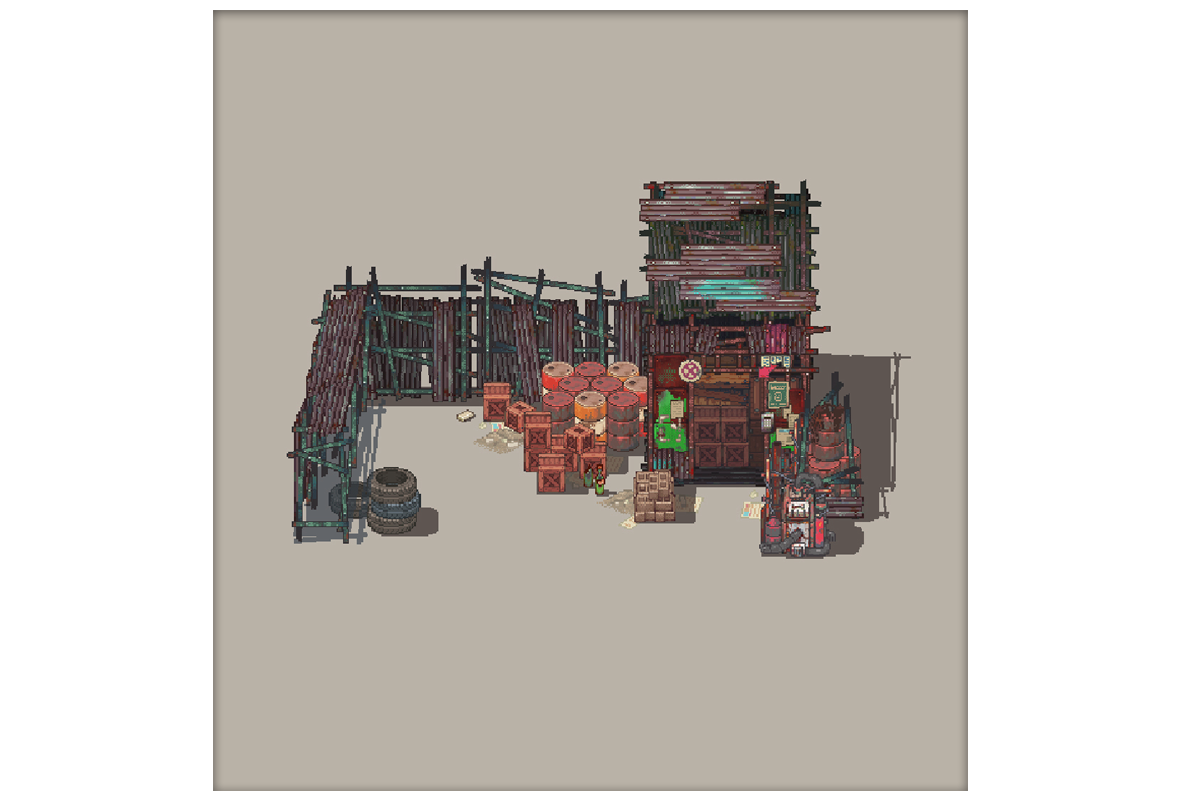
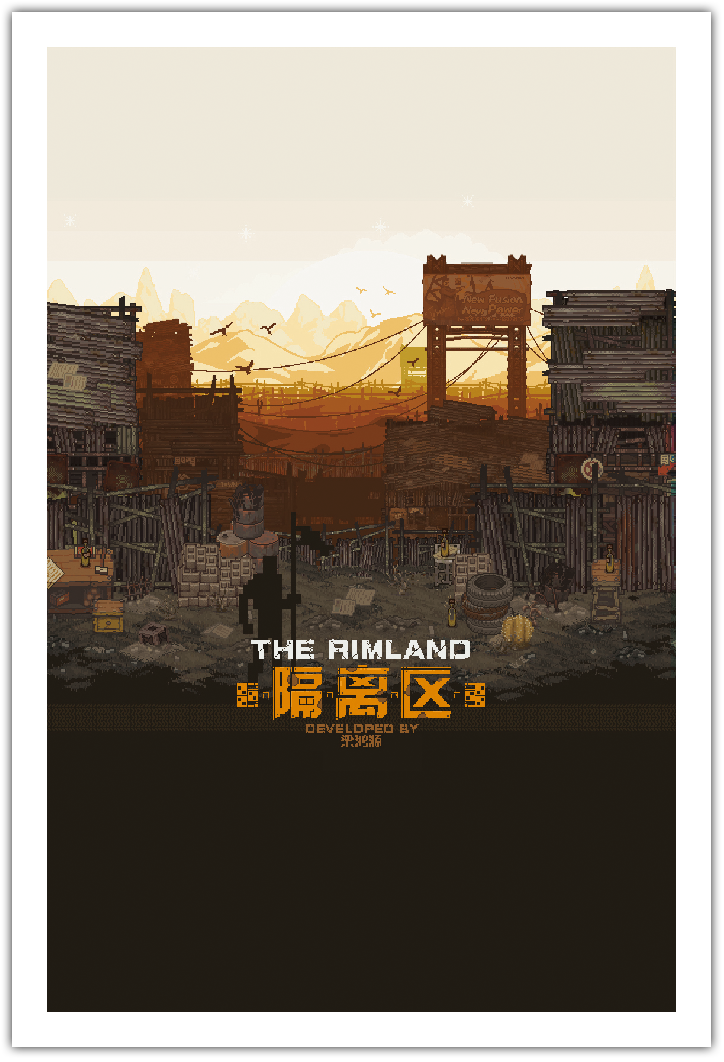
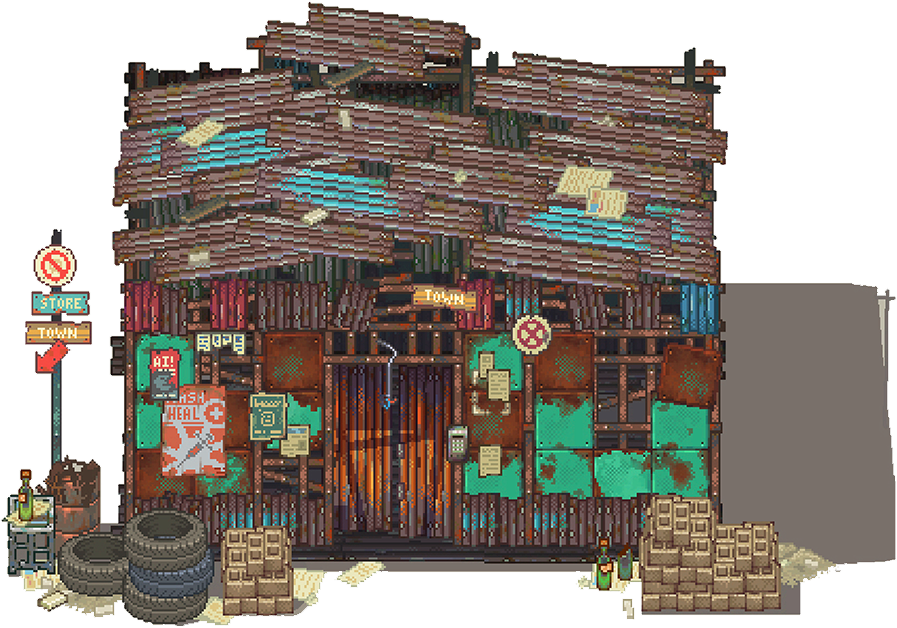
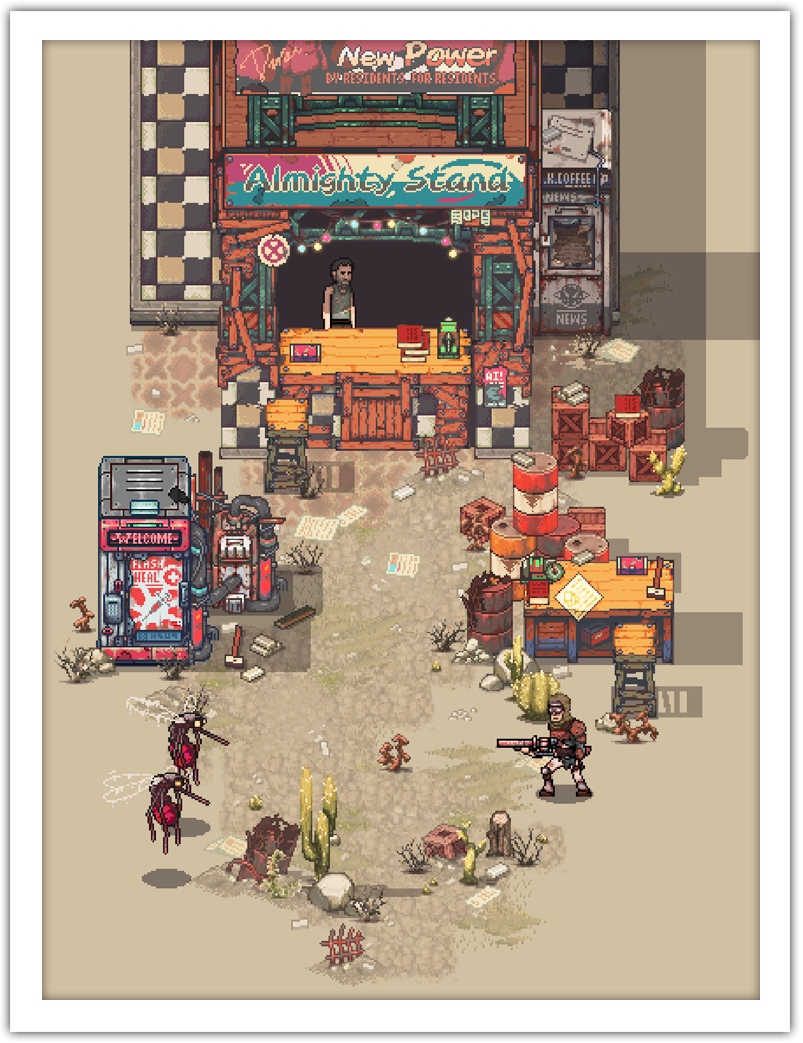
Game Arts: Game Poster and Game Scenarios
RIMLAND
Solo Work Game Development Award-winning
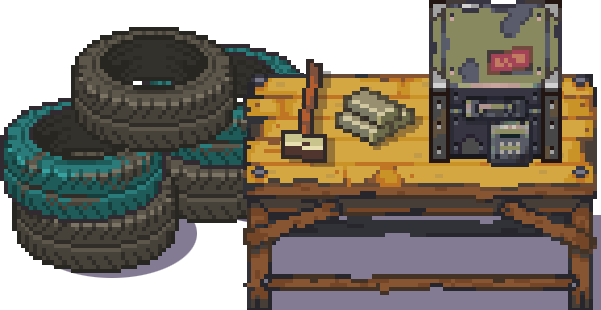
3D-to-2D Lighting System
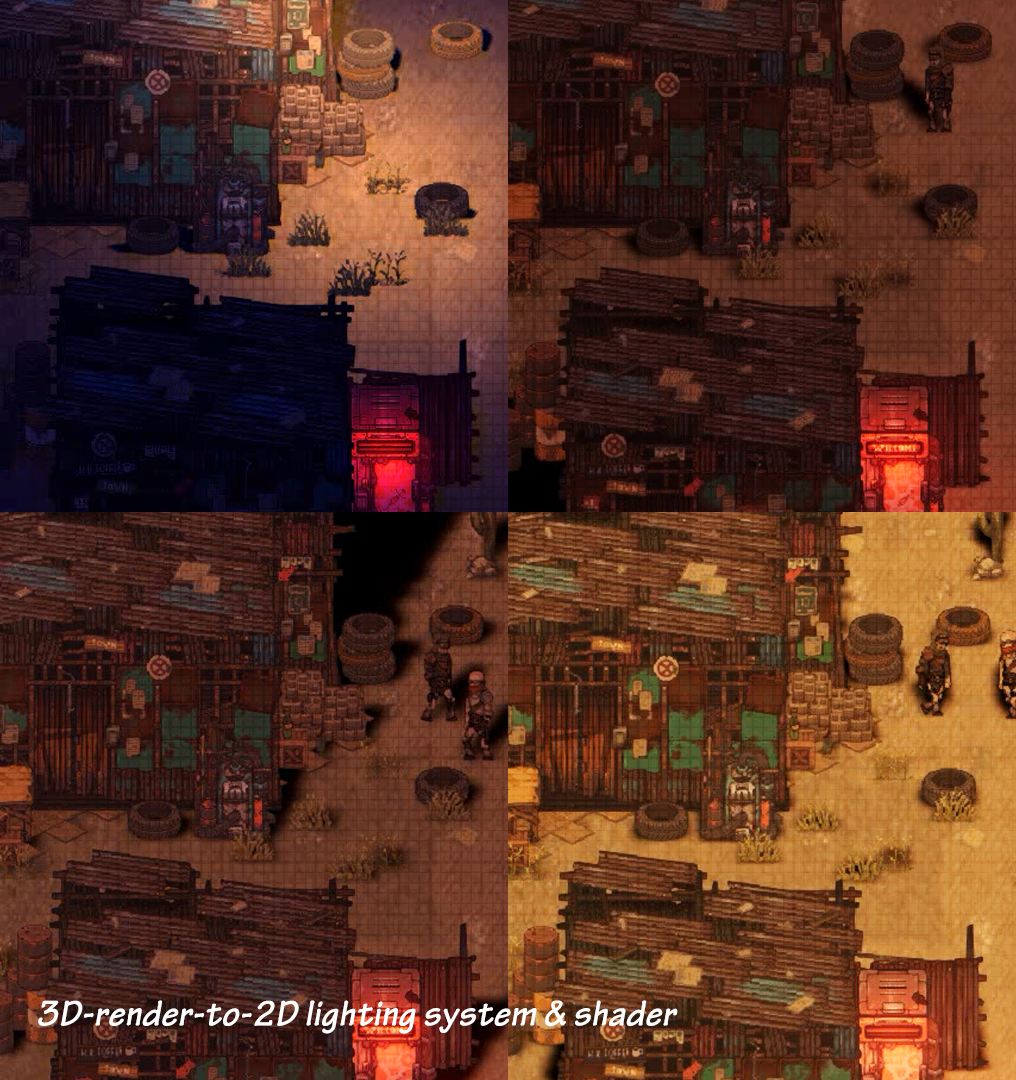
One of the key innovations in this game development project was the creation and implementation of a 3D lighting system and shaders with normal maps integrated into 2D retro pixel art to achieve a unique aesthetic visual effect. At the time, in mainland China, this concept was relatively uncommon, with few examples available for reference. As a result, much of the development process involved experimentation and exploration, which are also the spirit of indie game development. Ultimately, I was able to successfully realize this idea, overcoming the challenges through persistence and ingenuity.
RIMLAND
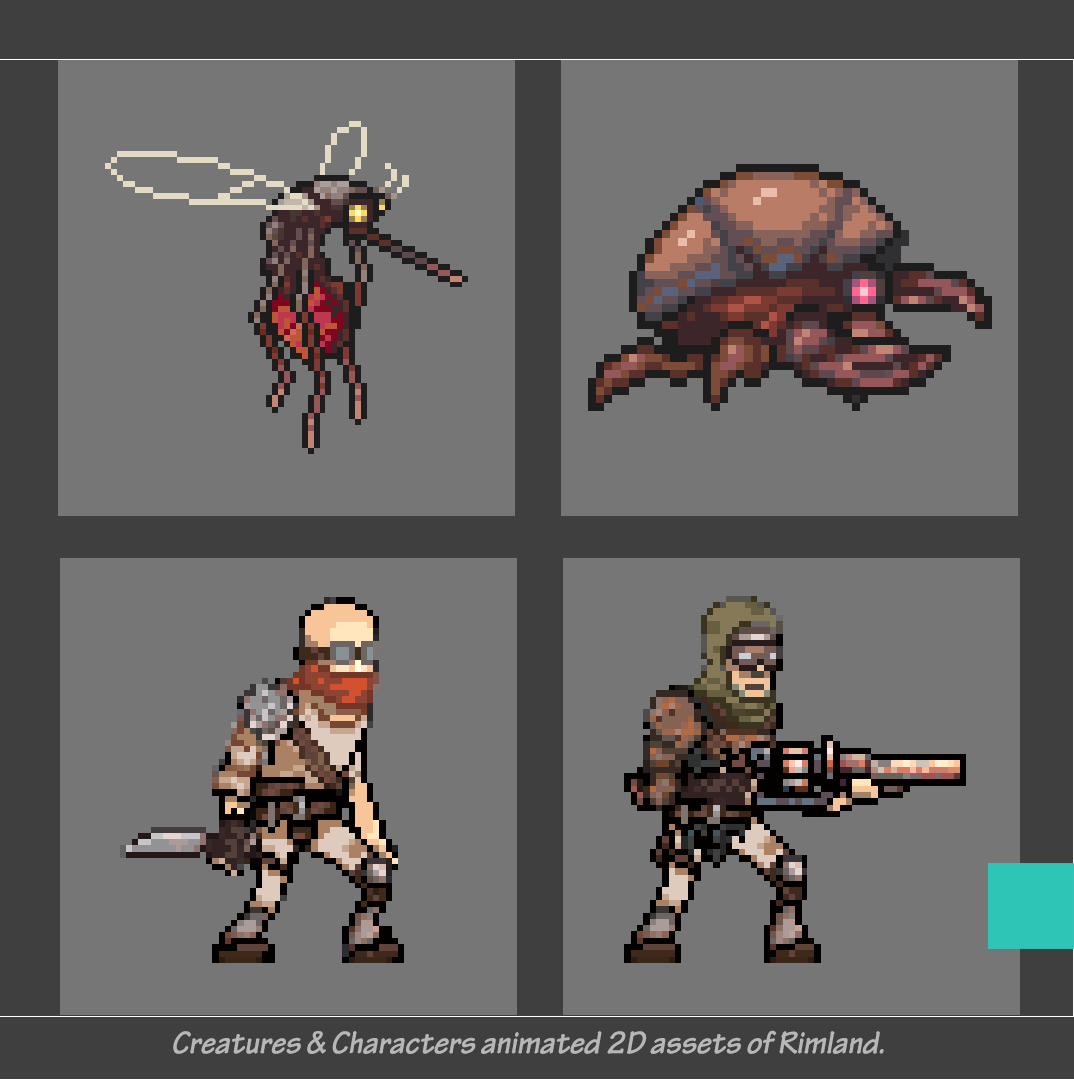
Pixel Art Animations
Similarly, the innovative animation technology employed in Rimland represents another of the project's key attempts and advancements. This approach involved the application of skeletal rigging and virtual armature techniques to create seamless animations for pixel art that integrate with the 3D lighting system. This method allowed for smooth, alias-free animations without the need to manually draw numerous additional inbetweening frames, significantly streamlining the animation process while maintaining visual quality.
RIMLAND
Awards

In May 2018, this project earned first place at both the departmental and institutional levels in the Graduation Project Competition of the Hubei Institute of Fine Arts (HIFA). It was subsequently selected to represent HIFA's outstanding works at the 2018 Joint Exhibition of National Top Institutions of Higher Learning in Fine Arts. Later that year, in October, the project won first place in the Cultural Creative Design Competition for College Students in Hubei Province, receiving a prize of 80,000 CNY (pre-tax, ~$11,428).
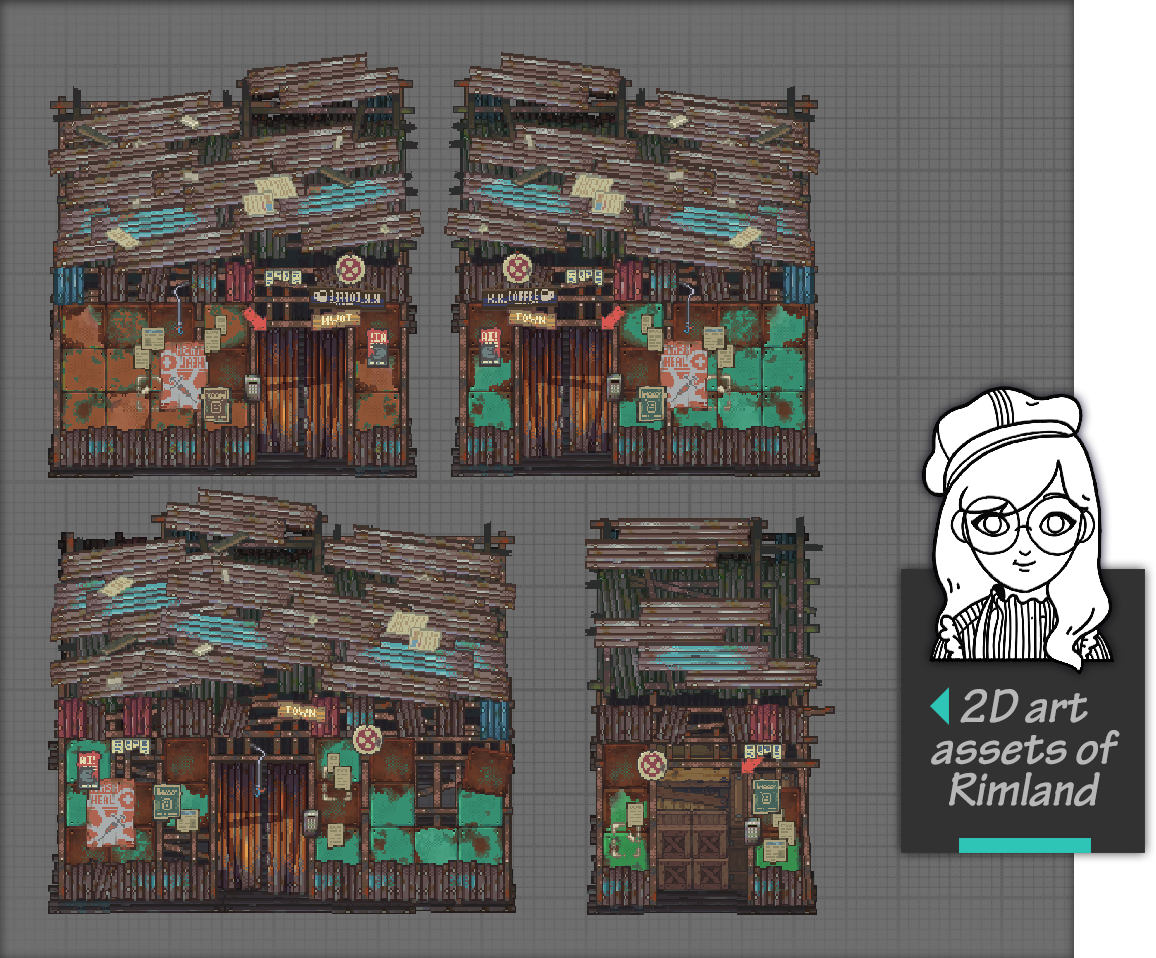

During the creation of the game's art assets, the majority were originally designed to support a sandbox base-building gameplay system. This system would have allowed players to construct their own bases by collecting in-game resources, aligning with the vision I had during the early design stages of development. Unfortunately, due to available time constraints, the sandbox gameplay could not be fully realized, leaving it as the only regret of the project.
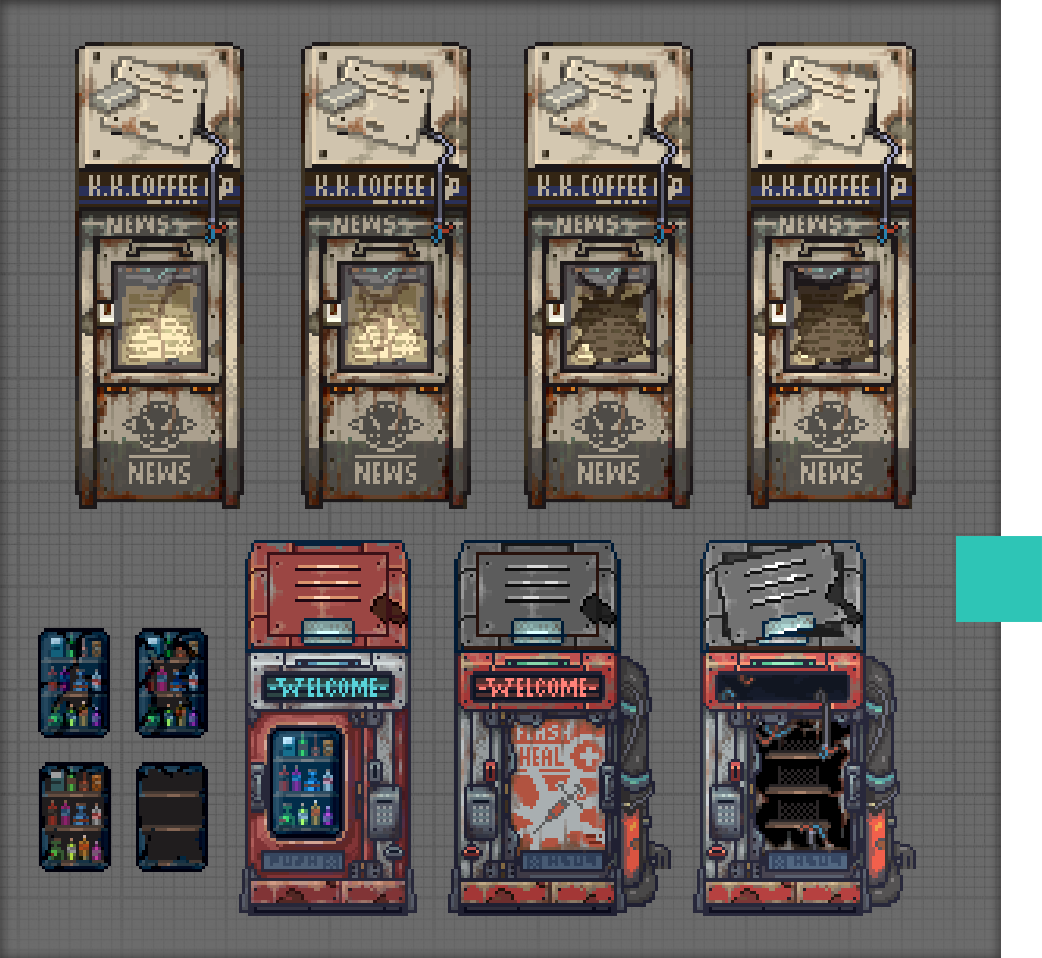
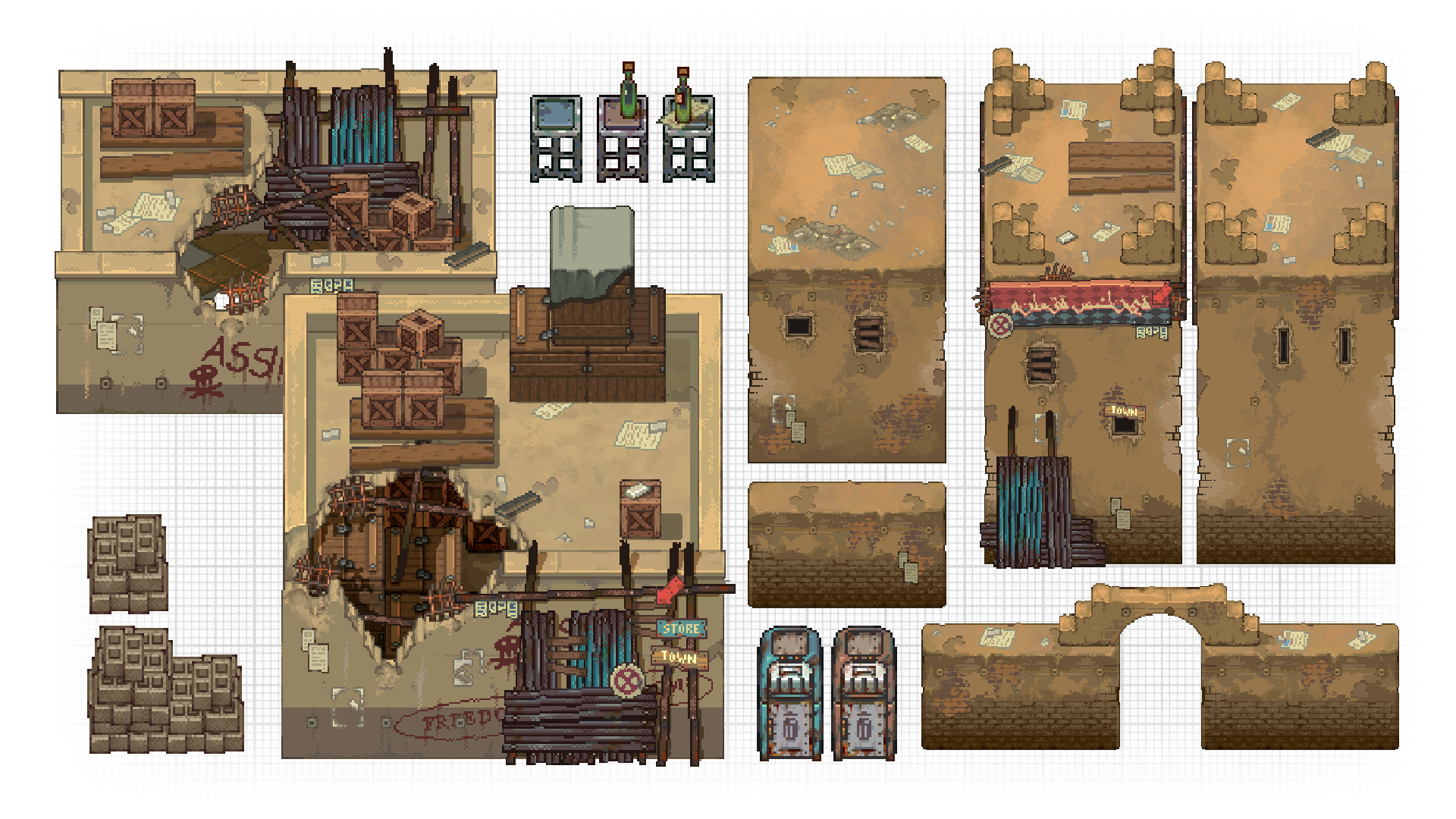
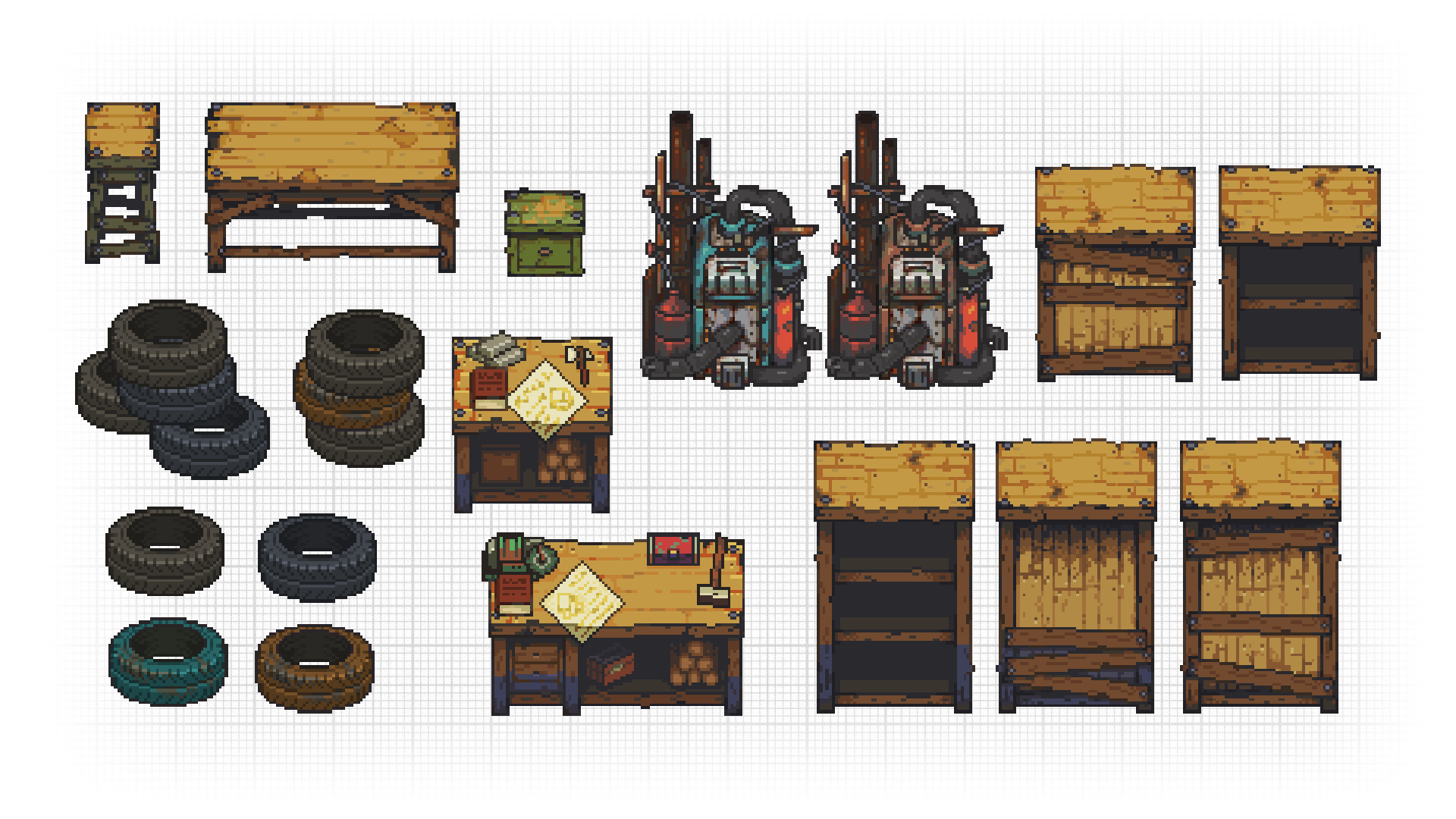
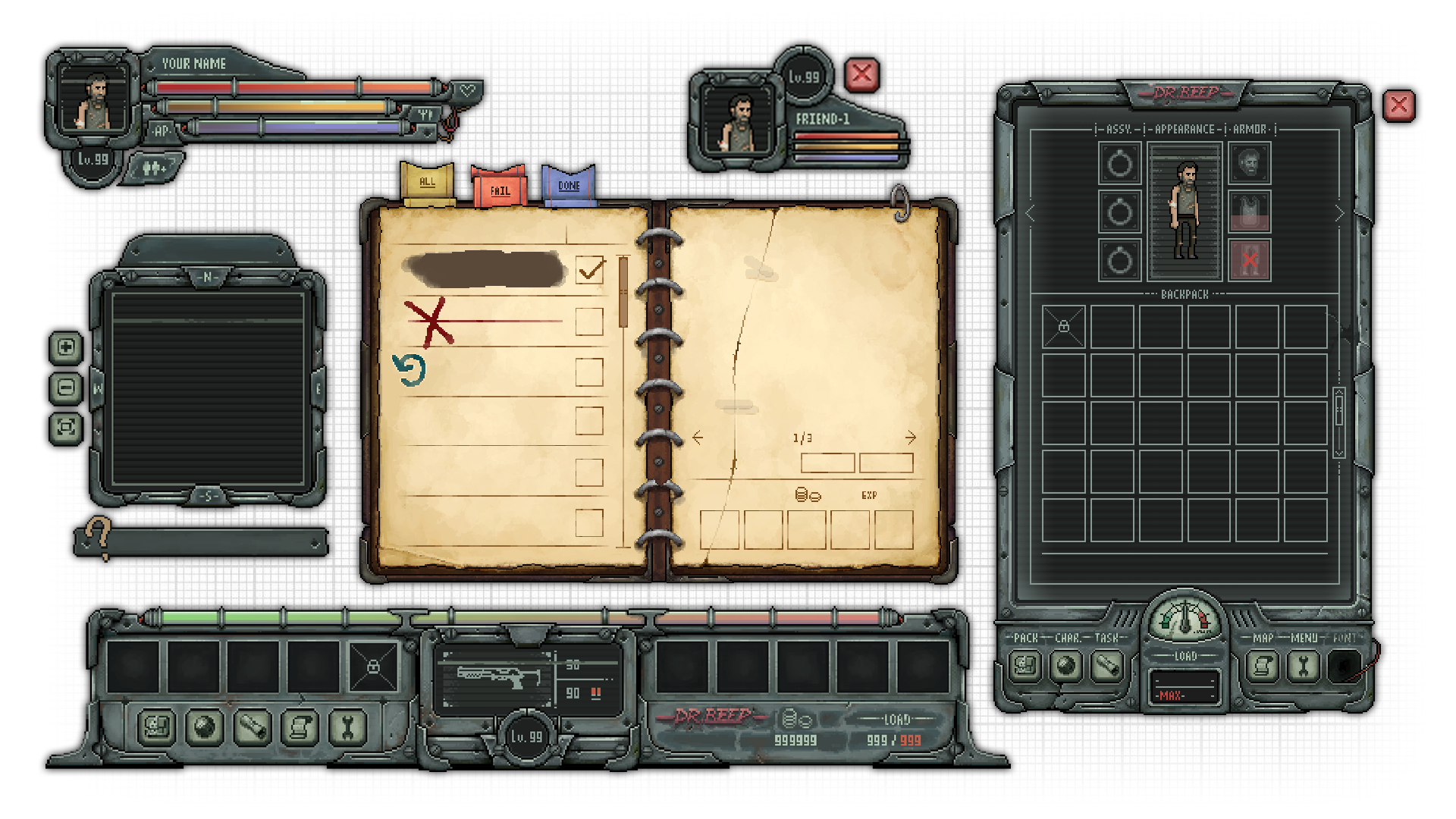
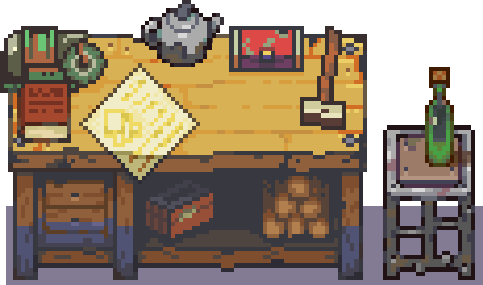
Game Arts: 2D Assets and User Interface
Video